Decentralization of data centers: expansion beyond the Rio/São Paulo axis

The landscape of data center decentralization shows the selection of sites outside the RJ/SP axis, facing infrastructure challenges.

Selecting locations for building data centers in Brazil requires a complex process that takes multiple variables into account. But when it comes to data center decentralization, there are clear signs that Brazil is moving forward on this path.

Beyond the traditional Rio de Janeiro / São Paulo axis, other regions of the country, such as the Northeast, are gradually becoming attractive destinations for data center infrastructure investments.

This shift reflects a decentralization trend that should solidify in the coming years as the demand for data center services continues to expand across the national territory.

However, three factors stand out as crucial for successful expansion: availability of electrical power, data connectivity, and government incentives. To gain a deeper understanding of these points, let’s break them down individually.

Availability of Electrical Power

The energy matrix encompasses all energy sources used for various purposes, such as transportation, industrial operations, food preparation, and electricity generation.

The electrical matrix consists exclusively of the sources used to produce electrical energy. Globally, electricity generation largely depends on fossil fuels, such as coal and natural gas, in thermoelectric plants.

However, Brazil stands out for having a predominantly renewable electrical matrix, with a significant share coming from hydroelectric plants. In addition, wind power has gained prominence, further strengthening the dominance of renewable sources in the country's electrical matrix.

Electrical power is the backbone of any data center, making it essential for any expansion plan involving data infrastructure. To ensure a reliable power supply given the substantial demand of operating data centers, it is crucial to understand the current electrical infrastructure of the location where the data center will be built.

It is also important to consider future projections for expanding electrical supply. As demand grows, uncertainties may arise, making it necessary to build a dedicated power substation exclusively for the data center infrastructure.

Surprisingly, in some cases, the cost of building the substation can exceed the initial investment in the data center itself. For this reason, in addition to verifying the availability of high-voltage power, it is crucial to consider the distance to the nearest substation and the quality of the power distribution line. These factors become even more critical as the size of the data center increases, emphasizing the importance of electrical infrastructure in operational efficiency and the financial viability of the project.

It is always necessary to rely on power substations when dealing with data centers that exceed the 3MW threshold, since that is the maximum supply limit provided by utility companies. Although Brazil does not face major issues with energy generation, deficiencies in electrical distribution infrastructure are a reality. This limitation often results in operational challenges for large-scale data centers, which require additional investments in redundancy and backup systems to ensure continuous operations. Therefore, electrical infrastructure becomes a critical factor to consider when planning and operating data centers in the country.

Data Connectivity

Connectivity is the ability to establish connections between devices, systems, environments, and data.

This interconnection is essential for integrating devices and ensuring not only access, but also the instant sharing of information across multiple locations and among different users.

Through connectivity, systems can operate in a coordinated and efficient manner, enabling continuous communication and smooth collaboration in increasingly interconnected environments.

In this context, efficient interconnection plays a crucial role in optimizing data center operations. Proximity to submarine cables is an advantage, as it reduces the time it takes for data to travel from one point to another in a communication network and, consequently, the overall response time required to establish information transmission.

Additionally, regions with a large population of mobile device users tend to have better connectivity infrastructure, which attracts data center investments.

It’s important to highlight that efficient connectivity not only enhances the effectiveness of data center operations, but also drives competitiveness and strengthens the ability to respond to market and economic demands.

Government Incentives at the Federal, State, and Municipal Levels

We know that Information Technology (IT) is essential for driving Brazil’s economic and social development. Every day, new challenges emerge, significantly impacting the progress of the national production chain.

Government regulation plays a crucial role in the field of Information Technology, ensuring security, data protection, and intellectual property. These rules are established across different levels of government.

To establish flexible regulations capable of keeping pace with rapid technological evolution—without hindering development—it is essential to promote collaboration between the public and private sectors through public consultations and open dialogue.

The complex tax burden is one of the main challenges faced by the data sector in Brazil. Undeniably, taxes are indispensable for funding public policies in a country as vast as Brazil. However, beyond revenue collection, taxes should also encourage growth and innovation. To achieve this, it is essential to adopt measures that transform taxation into a catalyst for research and technology.

Specifically within the data center industry, government incentives at the federal, state, and municipal levels have taken into account tax reductions, financial subsidies, and other benefits. Since the presence of government incentives can be a decisive factor when choosing a location for building a data center, they directly influence the project’s financial viability.

In this sense, targeted tax incentives—such as tax credits, exemptions, or reductions on income or IT-related services—can encourage companies to invest in research and development. It is important to highlight that information technology is fundamental to numerous public policies, including healthcare, education, and public safety. Therefore, promoting development in this sector is crucial for advancing and strengthening public policies throughout Brazil.

The decentralization of data centers in Brazil represents a significant shift driven by the pursuit of lower latency and greater operational resilience. We highlight that factors such as availability of electrical power, data connectivity, and government incentives play essential roles in this process, becoming the main challenges to decentralization. By strategically considering these elements, companies can position themselves advantageously and contribute to the country’s technological and economic progress.

Insights

+ 150

racks

+ 1,82

MW

III

Tier

1,4

PUE

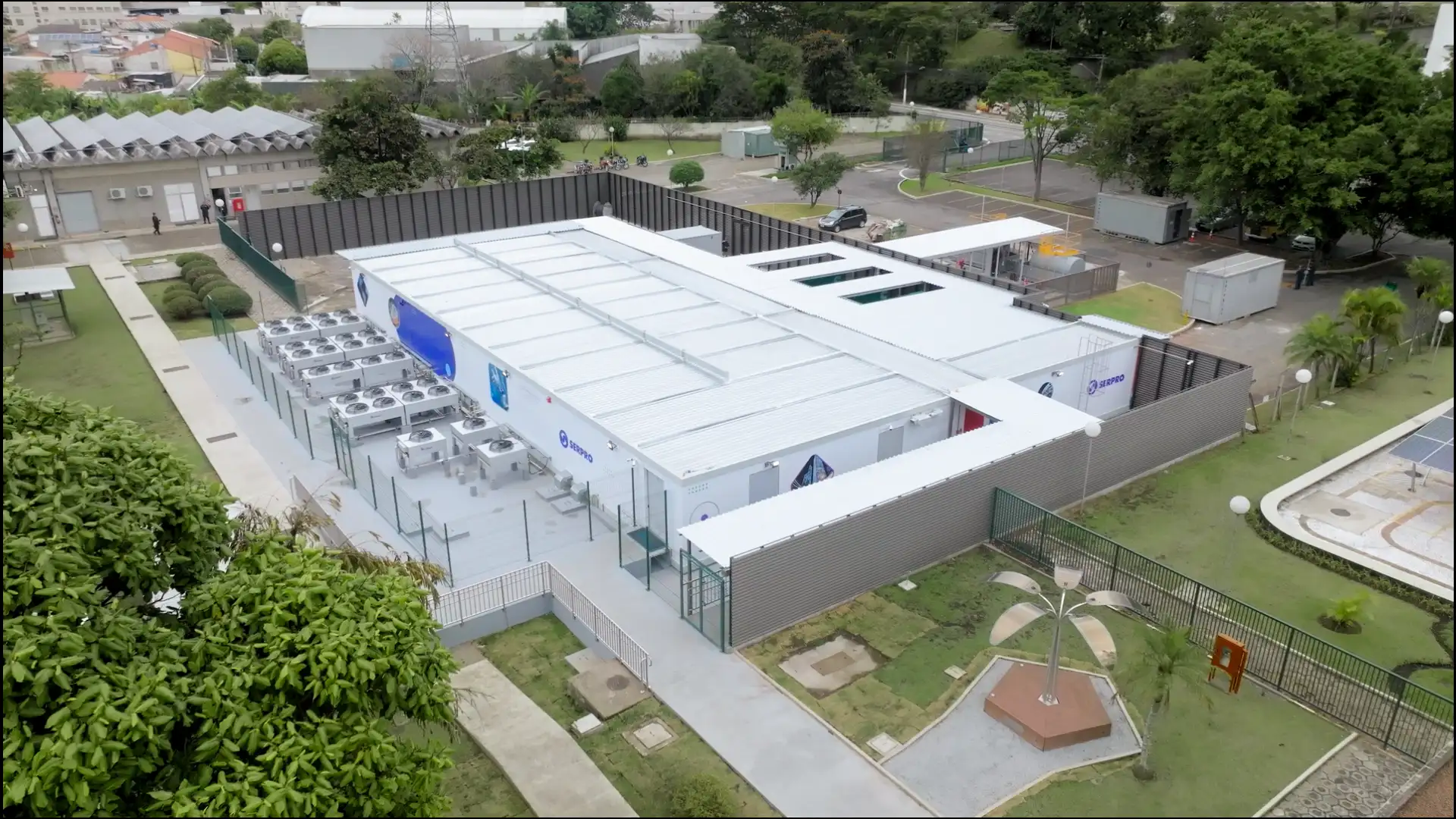
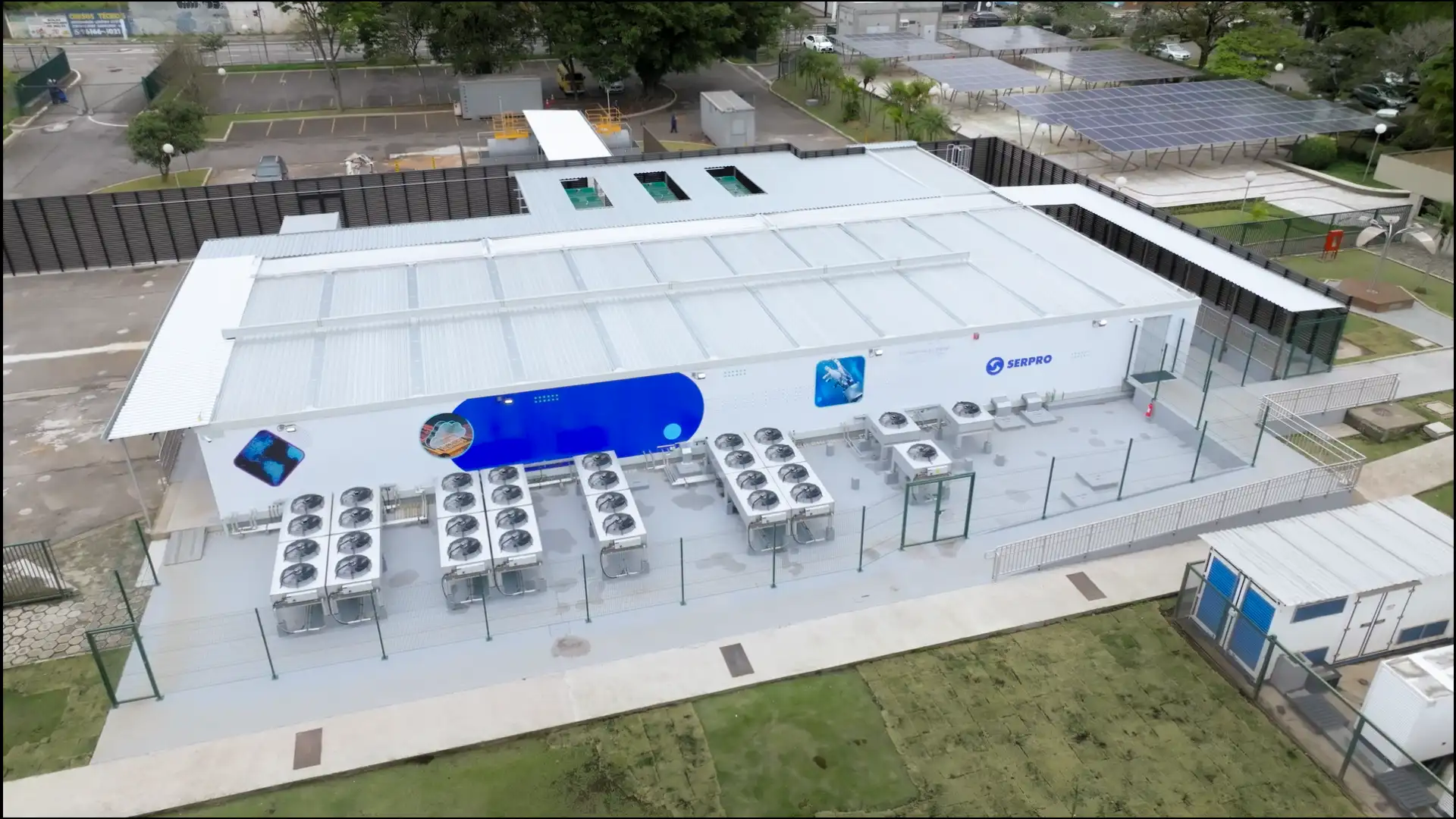
Case SERPRO

Block building, modular, high processing capacity, scalable, efficient power infrastructure

NBR/ABNT 10636 Certification

O novo data center modular do SERPRO (Serviço Federal de Processamento de Dados) possui certificação conforme a norma NBR/ABNT 10636, atendendo aos critérios estabelecidos para garantir um ambiente protegido contra diversos riscos.

Tier III

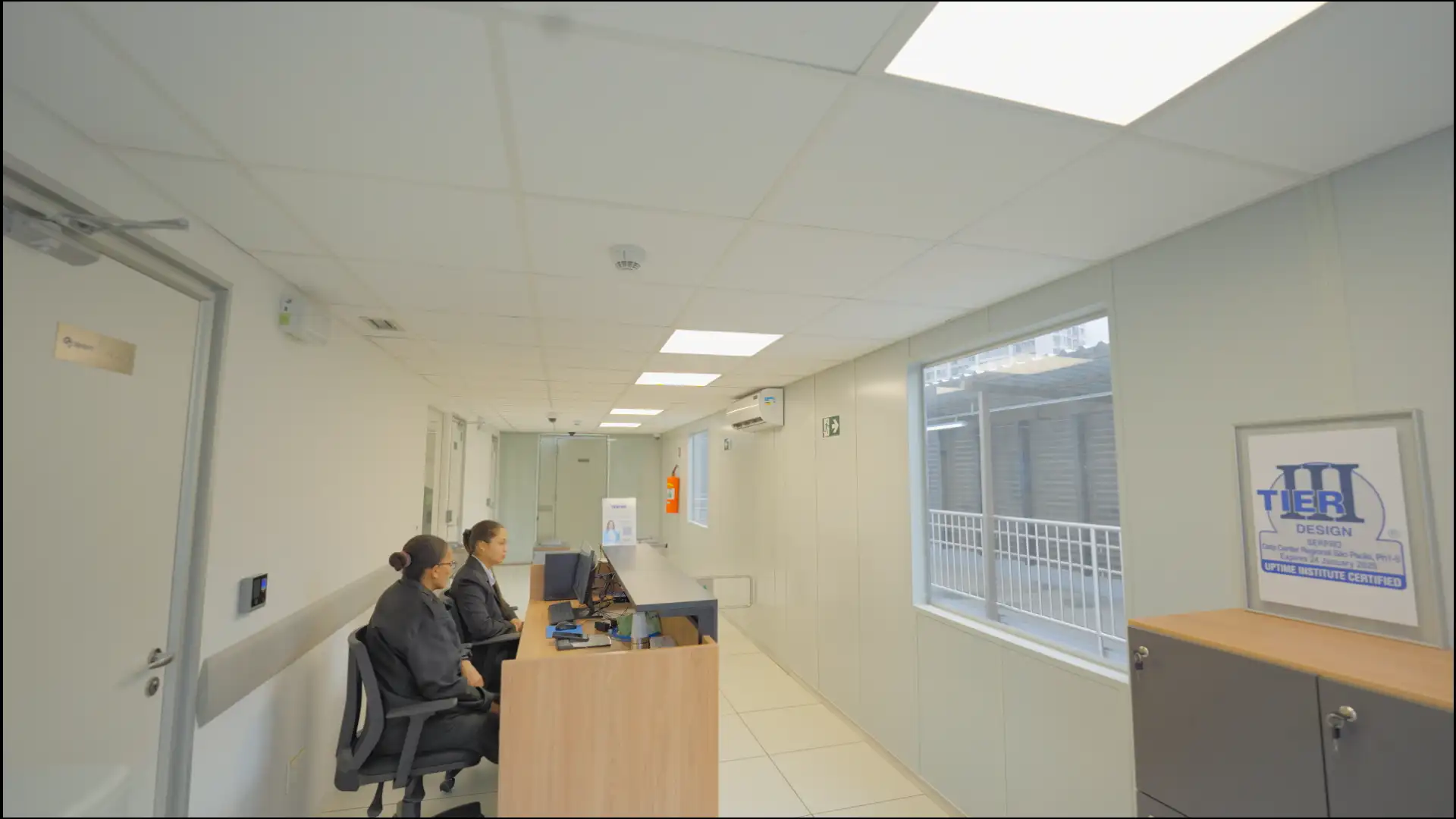
Além de uma infraestrutura física robusta e resiliente, o Data Center possui certificação Tier III pelo Uptime Institute. Dessa forma é possível realizar manutenções concorrentes sem impactar no serviço para garantir a disponibilidade.

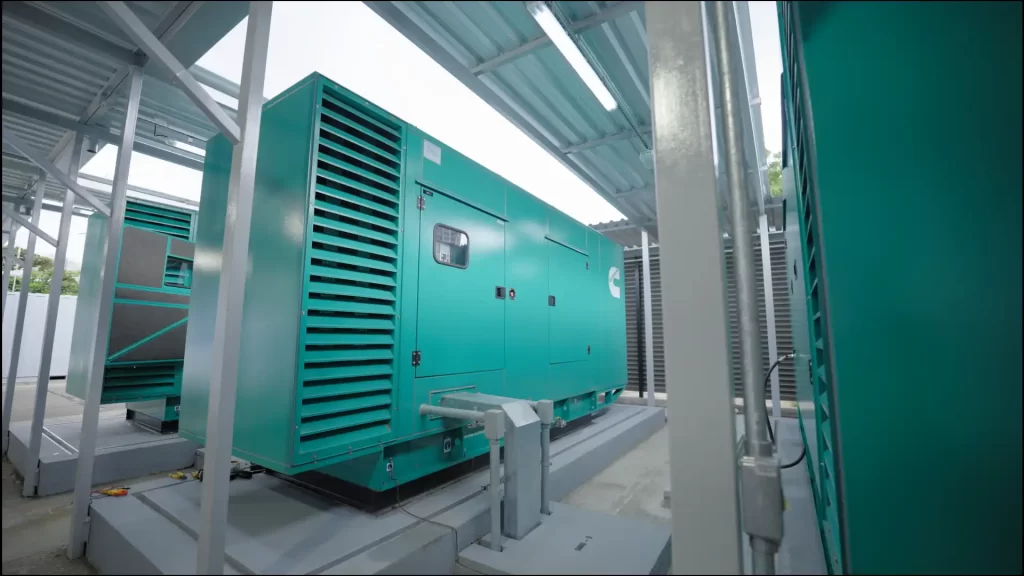
Edgefy: Case SERPRO: usina de geradores

PUE 1,4

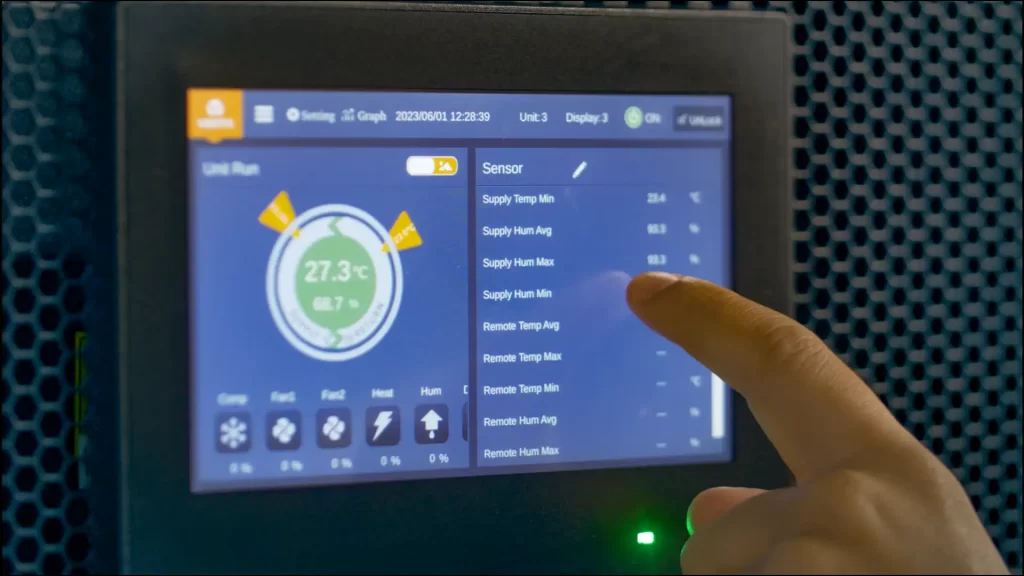
O data center modular do SERPRO tem um PUE de 1,4 que é altamente eficiente, consumindo apenas 40% da energia total para operações de suporte, como climatização. Esse desempenho reflete um design otimizado e sustentável, garantindo economia e alta performance operacional.

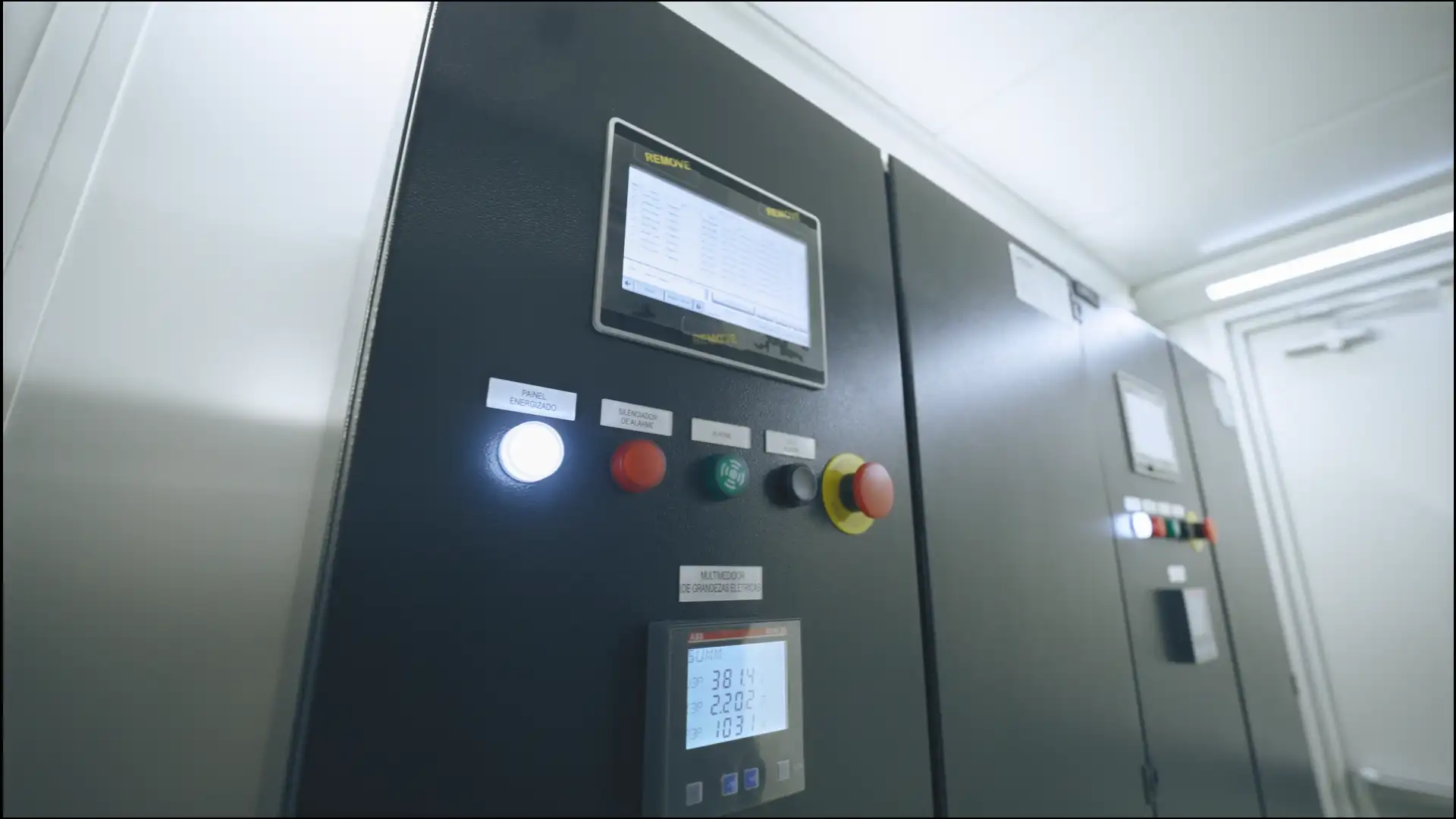
Edgefy: Data center modular SERPRO: Tela de gestão do ar-condicionado

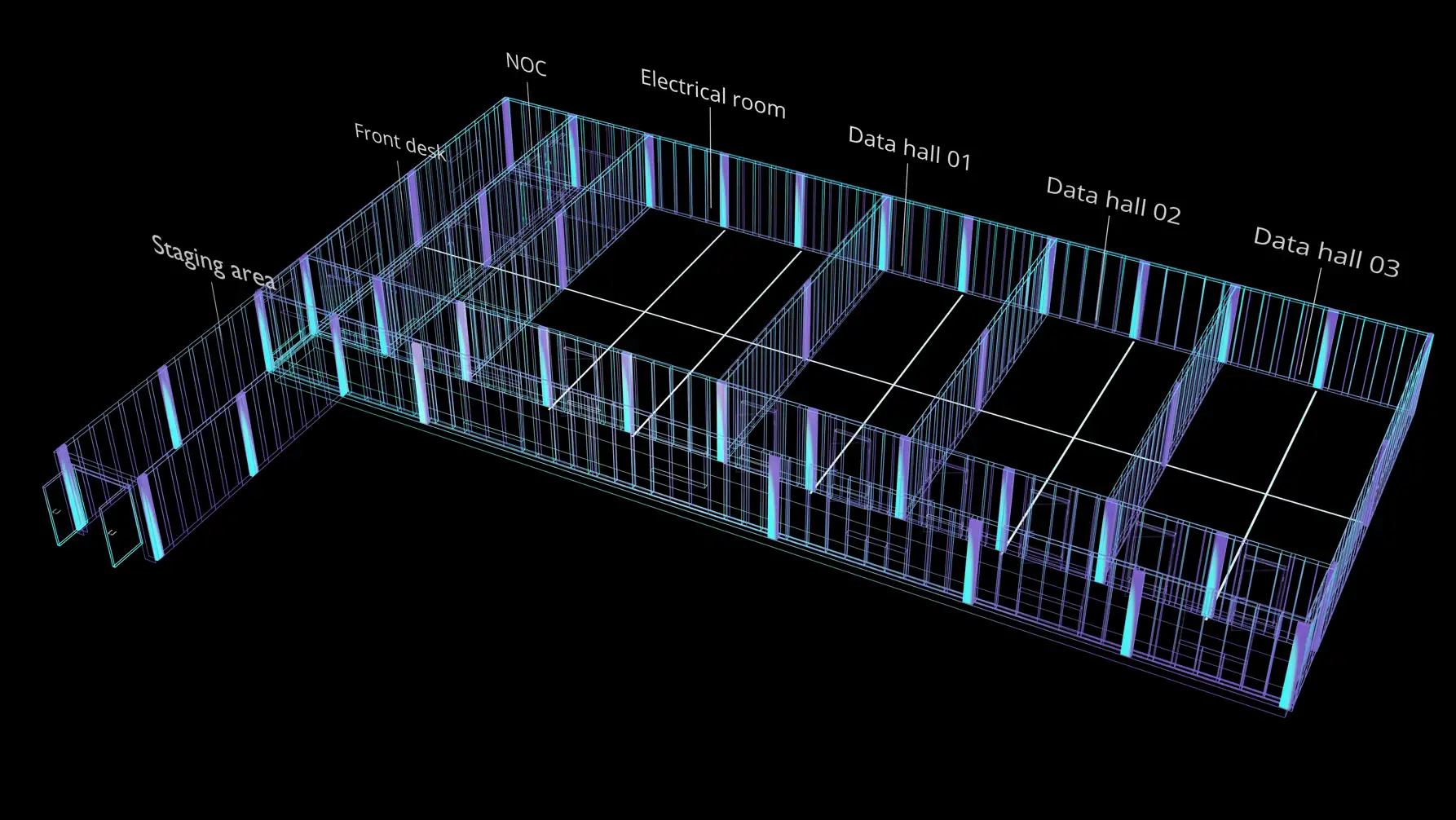
Planta baixa simplificada

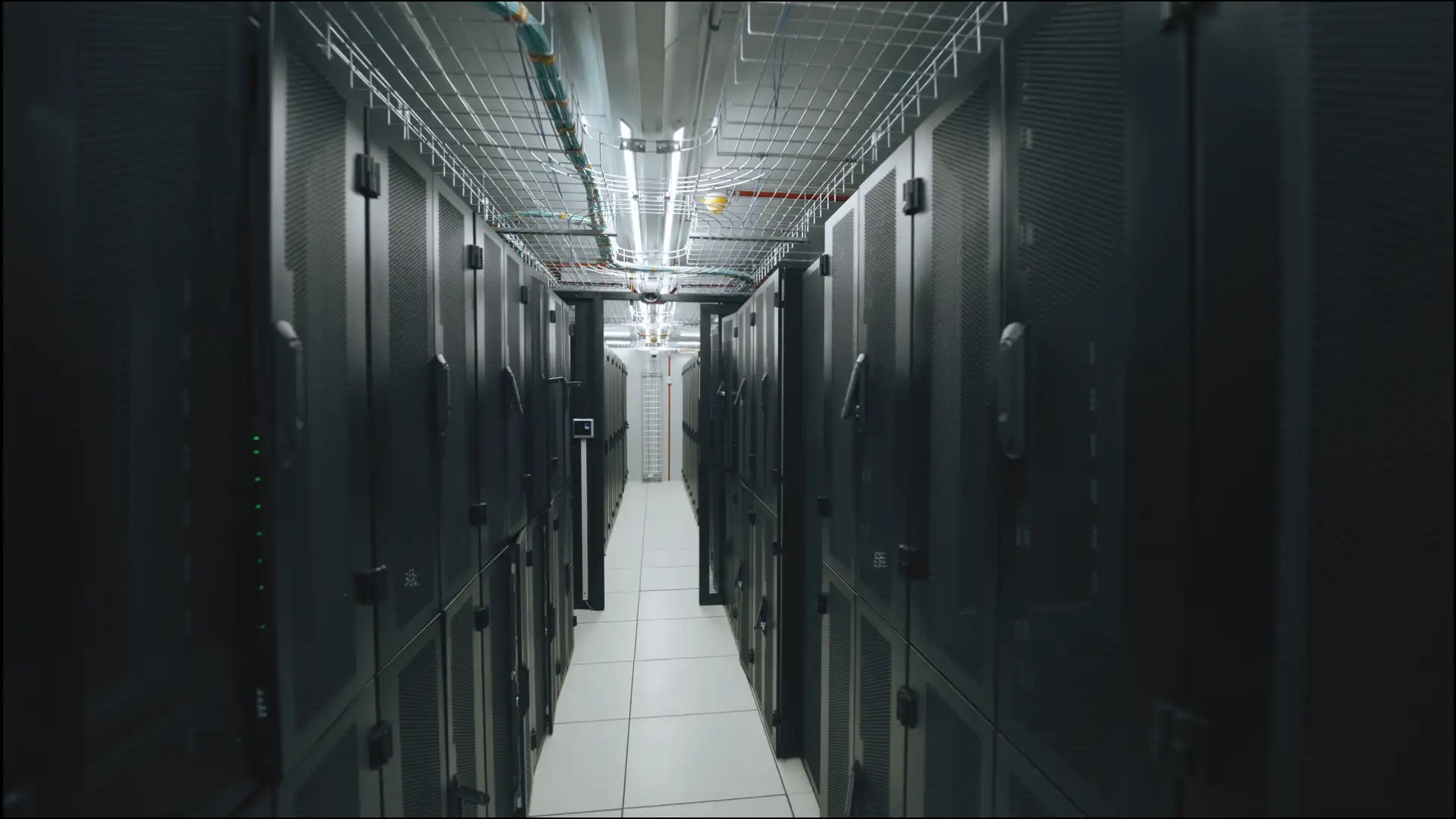
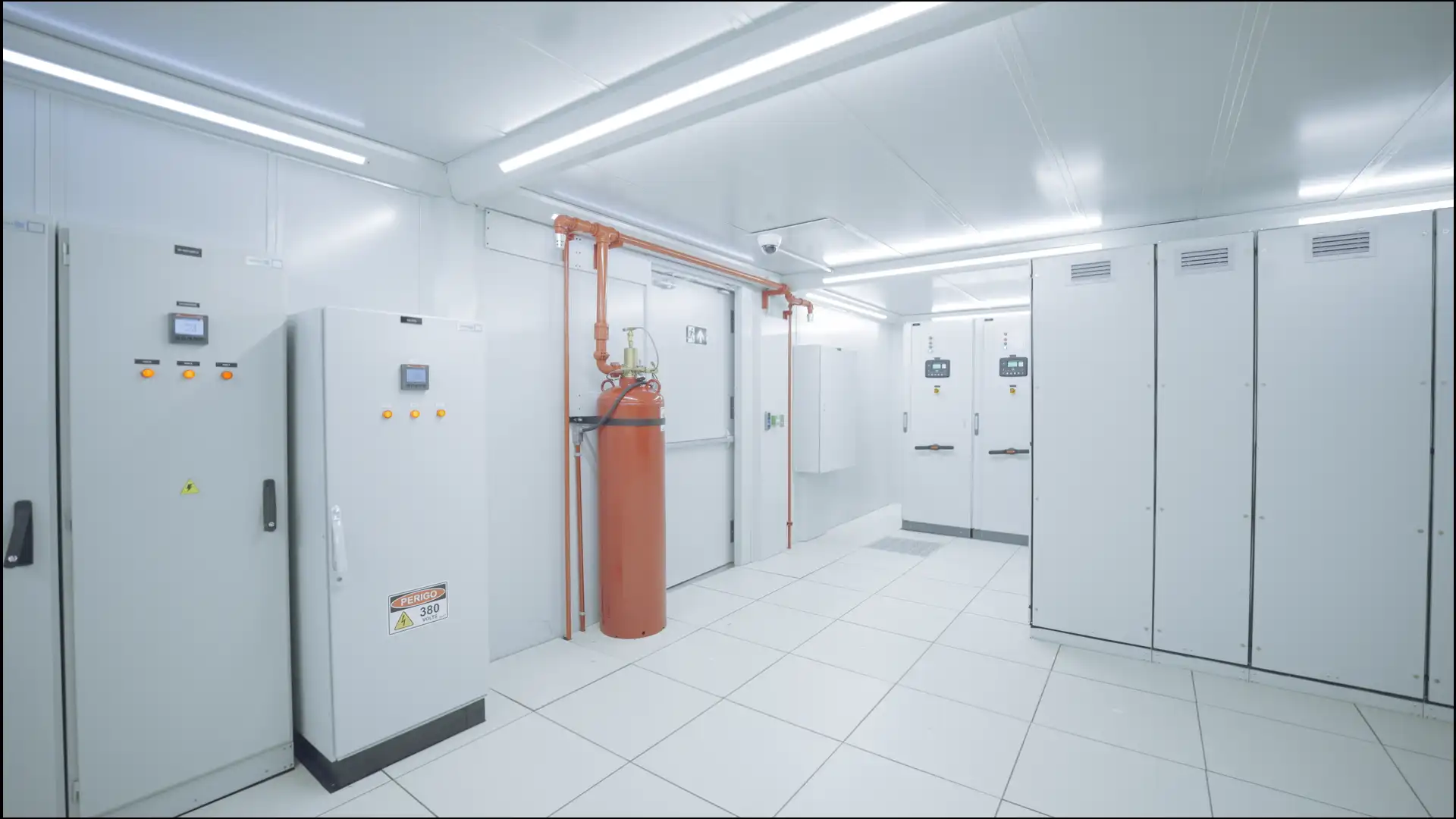
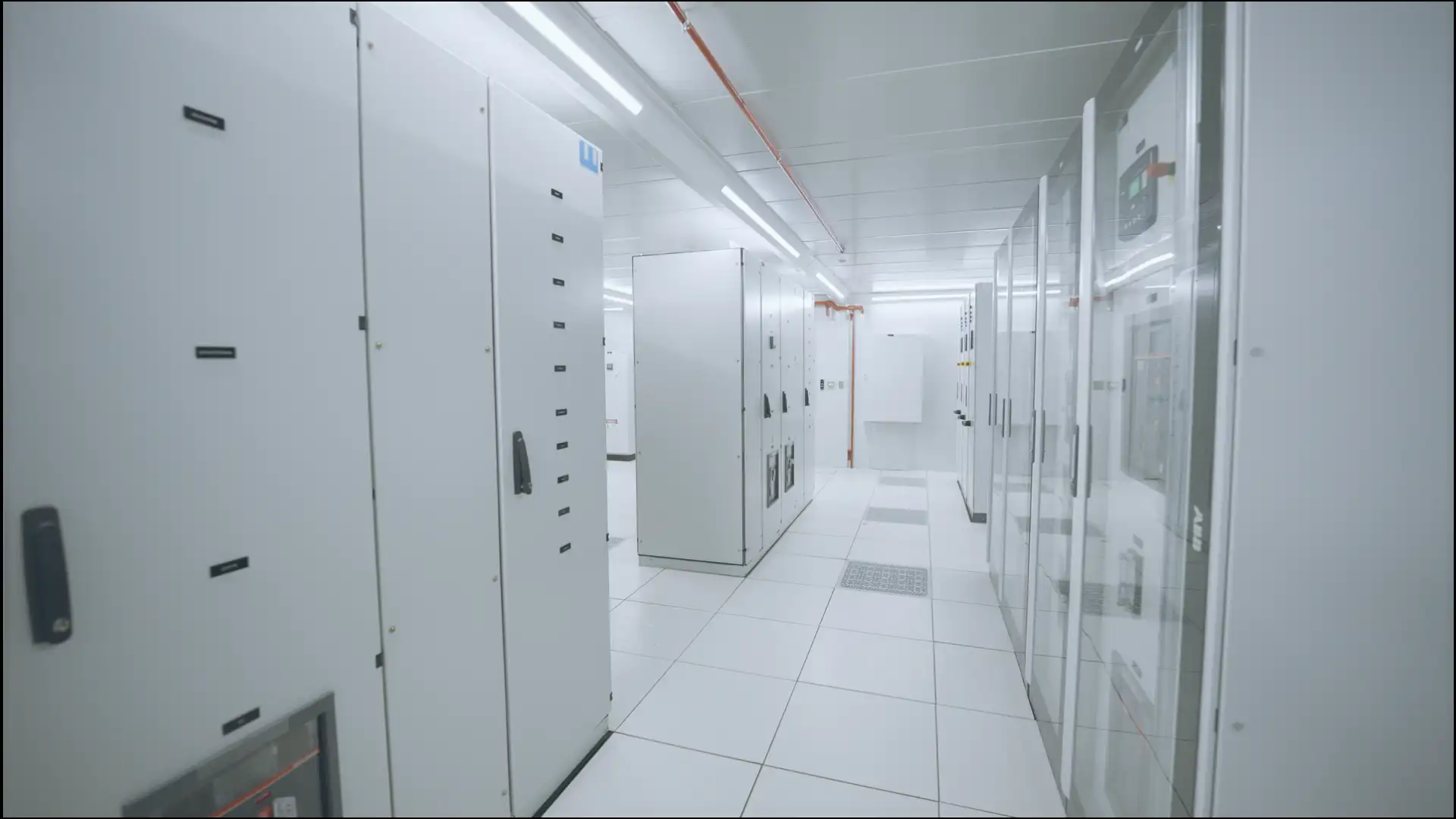
O data center modular do SERPRO é formado por múltiplos containers e oferece uma infraestrutura completa e segmentada, garantindo eficiência e segurança. Com áreas separadas para front desk, NOC (Centro de Operações de Rede), data halls, salas elétricas, e uma usina de geradores, ele permite maior controle e gestão operacional. Essa estrutura modular também proporciona escalabilidade, permitindo que novos containers sejam integrados conforme a demanda cresce, além de oferecer alta resiliência por meio da segregação de sistemas críticos e operacionais.

Gostaria de saber mais sobre o Edgefy?

Ao clicar acima, você concorda com as Privacy policies and políticas de cookies deste site.

Usamos cookies para garantir a melhor experiência em nosso site. Se você continuar navegando, assumiremos que está de acordo com a nossa privacy policy and Cookie Policy.