Checklist: How to Choose the Ideal Data Center

Check out this practical guide with a checklist for CIOs and IT managers, helping you choose the ideal data center for your company.

Choosing the ideal data center is a strategic decision that directly affects the security, availability, and scalability of your company’s services. With the growing demand for digital solutions and more robust infrastructure, CIOs and IT managers need to consider several factors before making this decision.

This checklist guides you through the essential criteria for evaluating providers and ensuring that the data center meets the organization’s operational and business needs.

1. Location and Connectivity

Geographic proximity: The distance between your company and the data center can impact latency and network costs.

Connectivity: Evaluate link redundancy and partnerships with telecom carriers to ensure high availability and low latency.

Environmental risk: Check whether the site is outside risk zones for natural disasters (such as floods, fires, strong winds, storms, or extreme events caused by nature or human activity).

Checklist:

  • Is the location close or strategically viable?
  • Is the surrounding area safe and free from risks?
  • Is there redundancy in internet links?
  • Are there power lines with enough capacity to support the data center?

2. Certifications and Quality Standards

Certifications ensure that the data center follows international operational and security standards.

Most relevant certifications:

  • Tier (Uptime Institute): Availability, resilience, and redundancy.
  • ISO 27001: Information security management.
  • ABNT/NBR 10636-1 or ABNT/NBR 15247: Physical security and protection against external fire.
  • PCI-DSS: Compliance for environments that process credit card data.
  • TIA 942-C: Availability, resilience, and redundancy.

Checklist:

  • Is the data center certified by the Uptime Institute or by TIA 942-C (Tier or Rated II, III, or IV)?
  • Does it have ISO 27001 and PCI-DSS for security and compliance?
  • Is it in compliance with LGPD and other local laws?
  • Does the data center have an ICT environment certified under ABNT/NBR 10636 or ABNT/NBR 15247?

3. Physical and Logical Security

A reliable data center provides physical and digital protection to prevent internal and external threats.

Physical Security:

  • Biometric access control and 24/7 surveillance.
  • Fire detection and suppression systems.
  • Certification against external fire.
  • Certifications EN 1027 and EM 1030.
  • NBR 60529 certification – IP 67.

Logical Security:

  • Firewalls and protection against DDoS attacks.
  • Continuous monitoring and security audits.

Checklist:

  • Does the data center have resilience and certified protections for physical integrity?
  • Does it have modern systems for preventing and mitigating cyberattacks?

4. Availability and Redundancy

Availability is essential to avoid downtime and ensure business continuity. The level of redundancy must align with the criticality of the operations.

Checklist:

  • Does the data center allow maintenance without interruption (Tier/Rated III or higher)?
  • Does the infrastructure have electrical, logical, and cooling redundancy (N+1 or 2N)?
  • Is there a failure recovery plan?

5. Scalability Capacity

With the growing demand for digital services, the data center must support both horizontal and vertical scalability.

Checklist:

  • Does the provider allow fast expansion of space, racks, and power?
  • Is there an option for modular or phased growth?
  • Does the solution allow expansion while operations remain running?

Energy consumption is one of the main operational costs of a data center. Check whether the provider follows energy-efficient practices and offers a low Power Usage Effectiveness (PUE).

Checklist:

7. Technical Support and 24/7 Operations

Technical support is essential for handling incidents and maintenance. Evaluate whether the data center team has certifications and provides 24/7 service.

Checklist:

  • Does the team hold certifications such as ITIL, ISO 20000, or from Uptime?
  • Is there dedicated technical support and a clear SLA?
  • Do they follow operation and maintenance standards such as ANSI BICSI 009?
  • Does the data center offer real-time monitoring?

8. Compliance and Regulation

In addition to meeting IT standards, the data center must ensure compliance with local and international data-protection laws, such as LGPD.

Checklist:

  • Does the provider guarantee LGPD compliance and other regulations?
  • Is there a plan for regular audits and compliance reports?

9. Contract Model and SLA (Service Level Agreement)

The contract terms and the SLA define service quality and penalties in case of failures.

Checklist:

  • Does the SLA guarantee 99.982% availability (Tier/Rated III)?
  • Are there clear clauses about penalties in case of downtime?
  • Is the pricing structure transparent and scalable?

When evaluating a data center, it’s essential to calculate the TCO (Total Cost of Ownership), which includes installation, operation, and maintenance costs over time.

Checklist:

  • Is the total cost aligned with the company’s budget?
  • Does the company anticipate a reduction in operational costs with the solution?
  • Does the data center offer flexibility to optimize TCO through modular solutions?

The Right Choice for Your Company’s Future

Choosing the ideal data center is a complex decision that goes beyond price and location. You need to ensure the infrastructure delivers high availability, security, energy efficiency, and scalability to meet your company’s current and future demands.

With this checklist, CIOs and IT managers can conduct a thorough assessment of their options and choose a strategic partner that provides resilience and competitiveness in an increasingly digital and dynamic market.

Insights

+ 150

racks

+ 1,82

MW

III

Tier

1,4

PUE

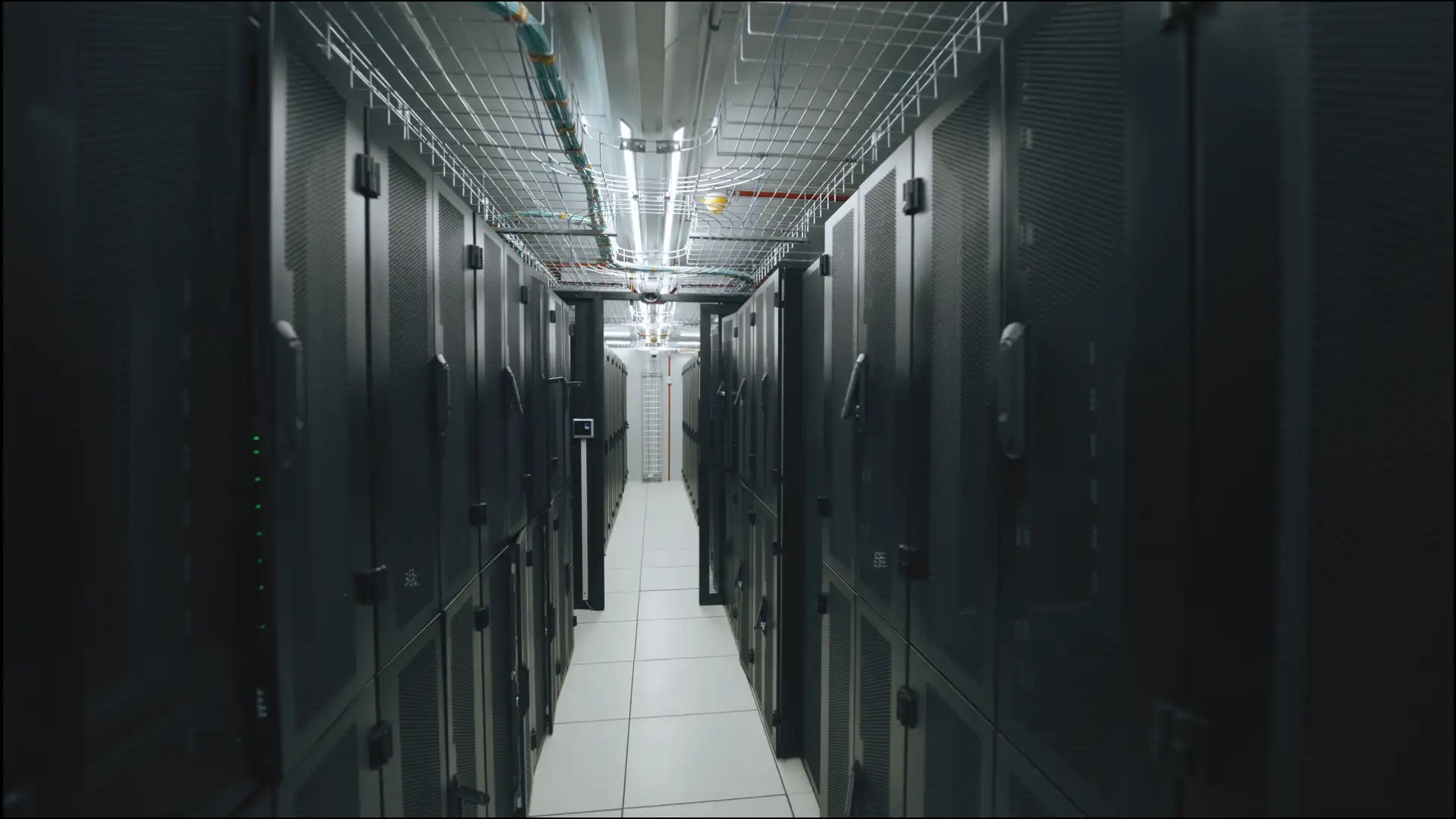
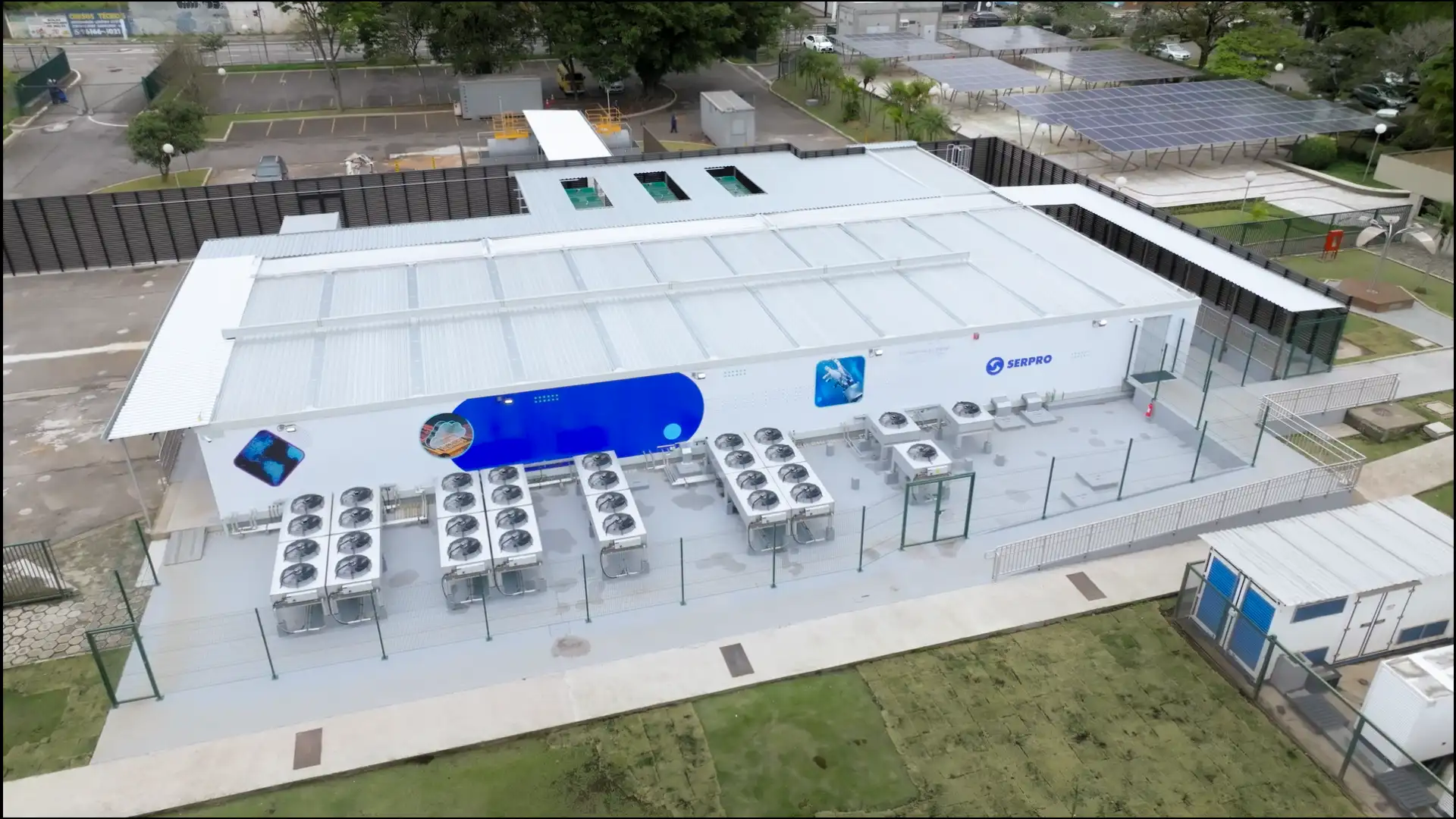
Case SERPRO

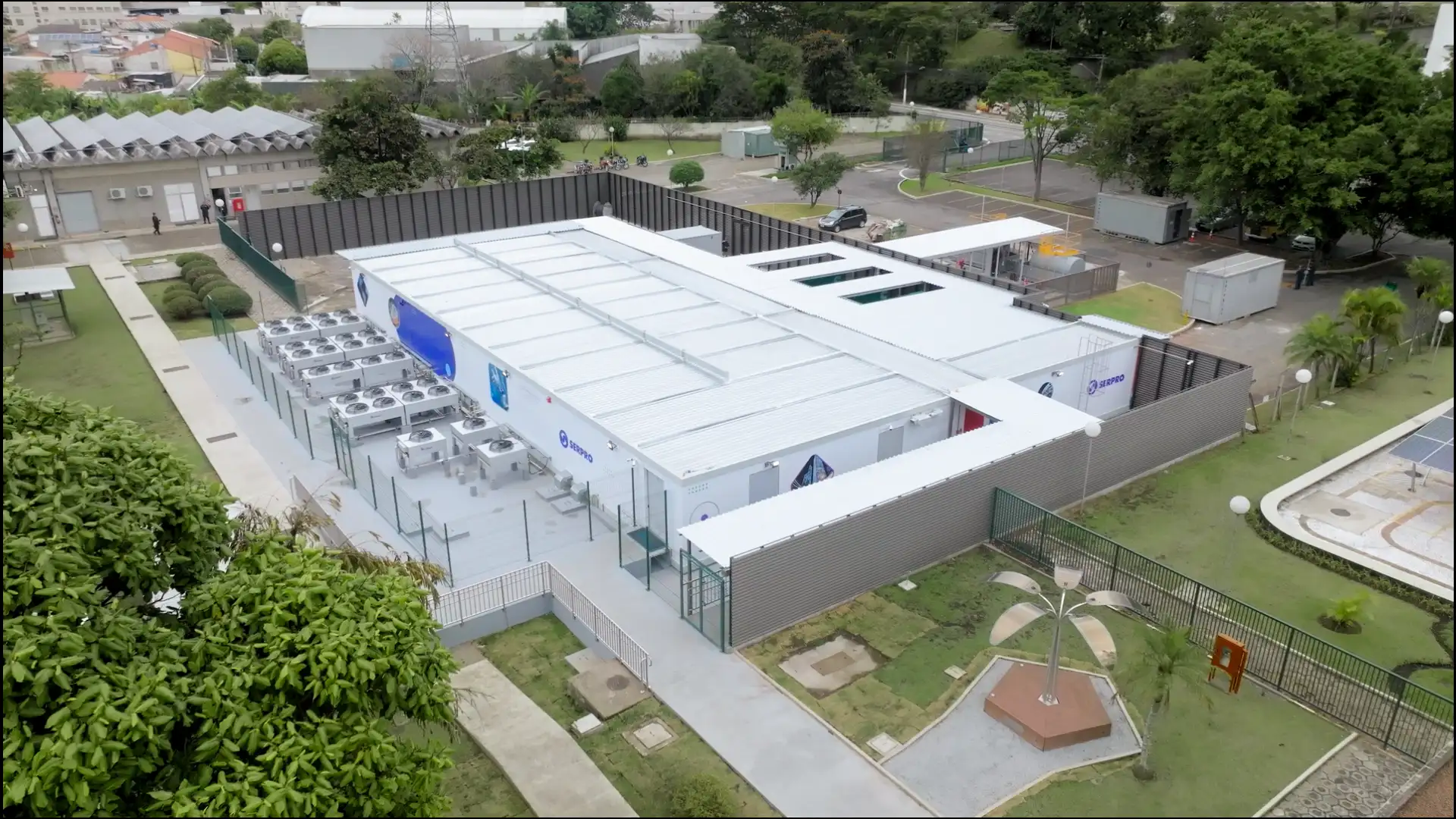
Block building, modular, high processing capacity, scalable, efficient power infrastructure

NBR/ABNT 10636 Certification

O novo data center modular do SERPRO (Serviço Federal de Processamento de Dados) possui certificação conforme a norma NBR/ABNT 10636, atendendo aos critérios estabelecidos para garantir um ambiente protegido contra diversos riscos.

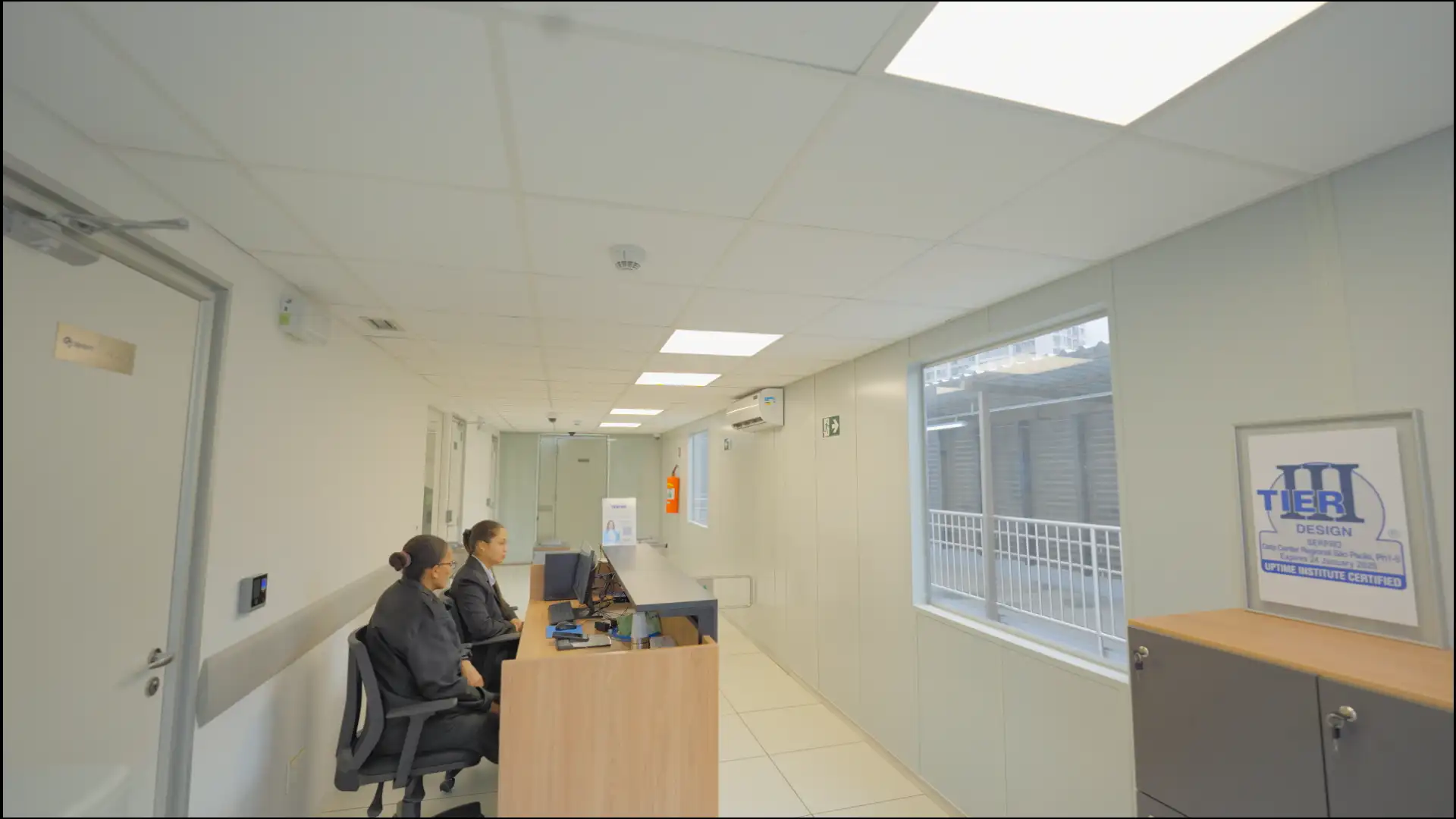
Tier III

Além de uma infraestrutura física robusta e resiliente, o Data Center possui certificação Tier III pelo Uptime Institute. Dessa forma é possível realizar manutenções concorrentes sem impactar no serviço para garantir a disponibilidade.

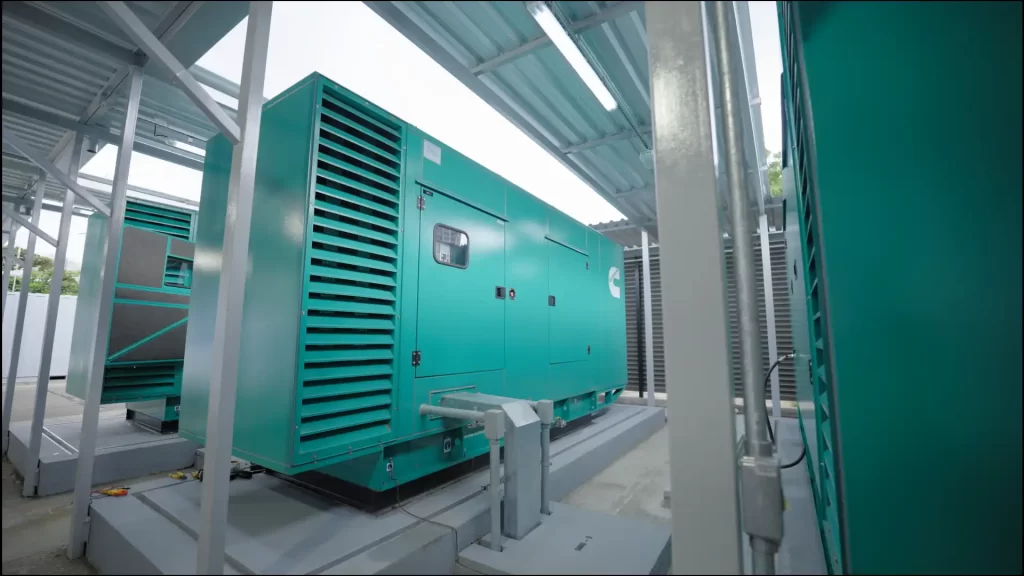
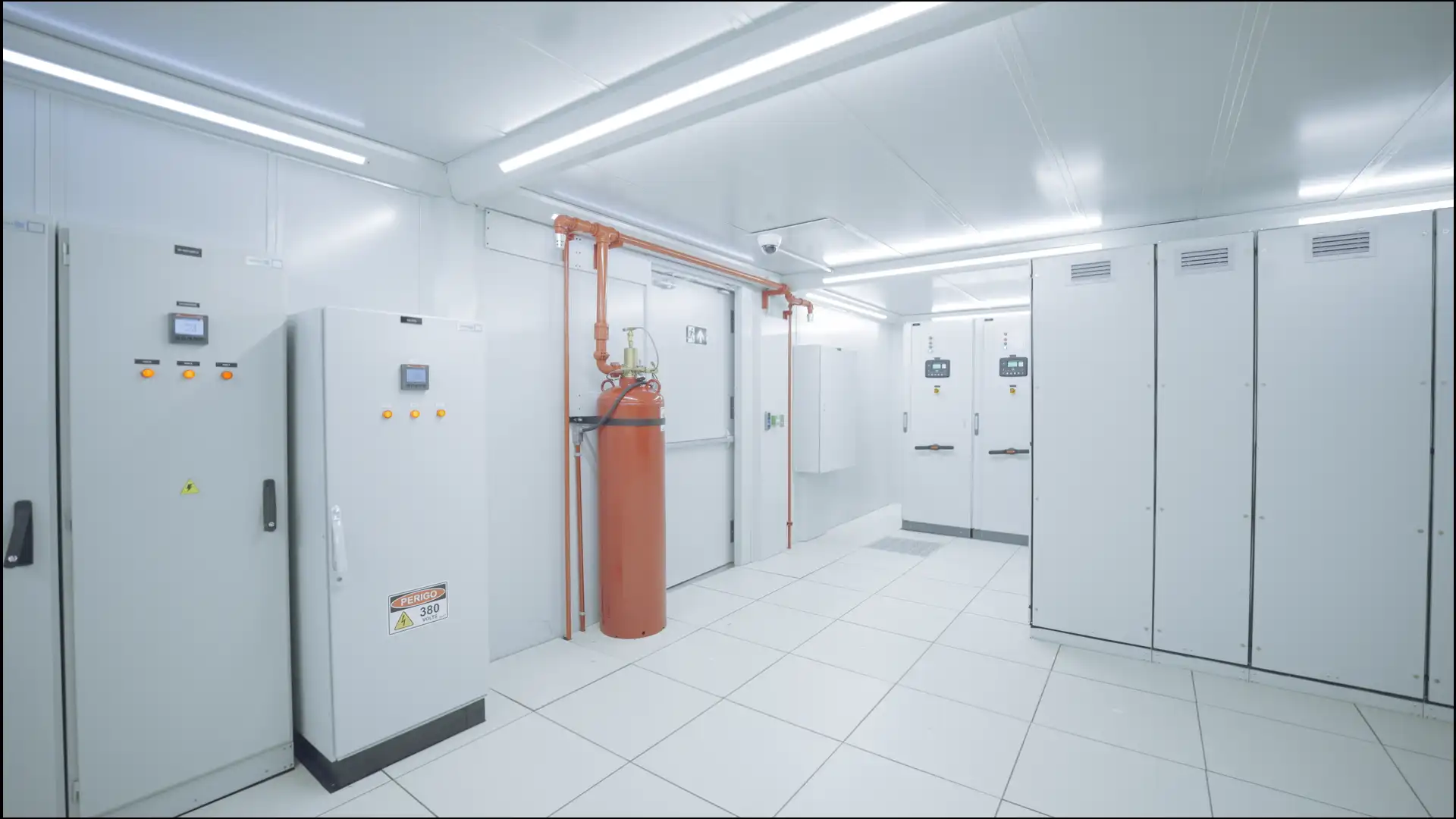
Edgefy: Case SERPRO: usina de geradores

PUE 1,4

O data center modular do SERPRO tem um PUE de 1,4 que é altamente eficiente, consumindo apenas 40% da energia total para operações de suporte, como climatização. Esse desempenho reflete um design otimizado e sustentável, garantindo economia e alta performance operacional.

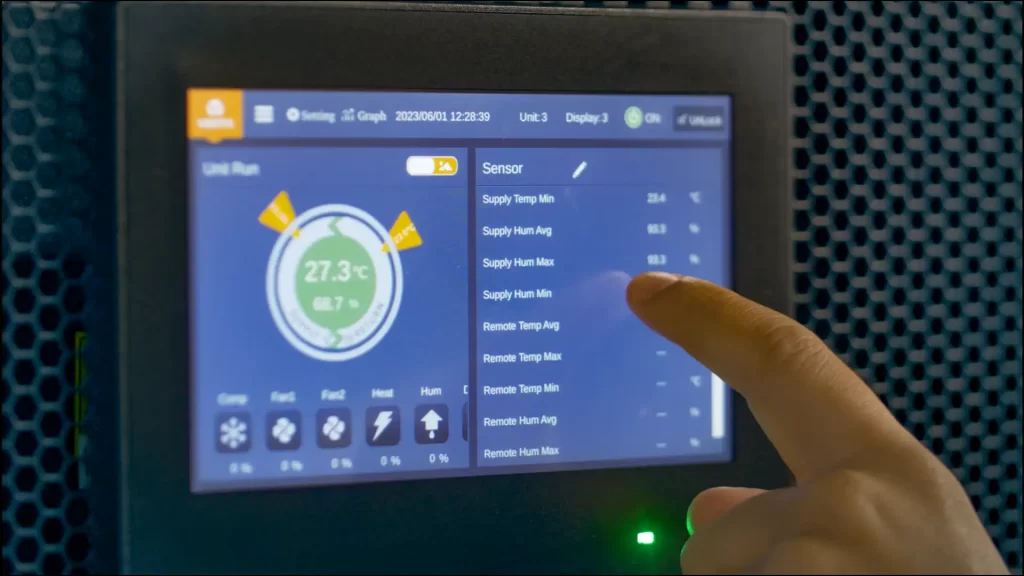
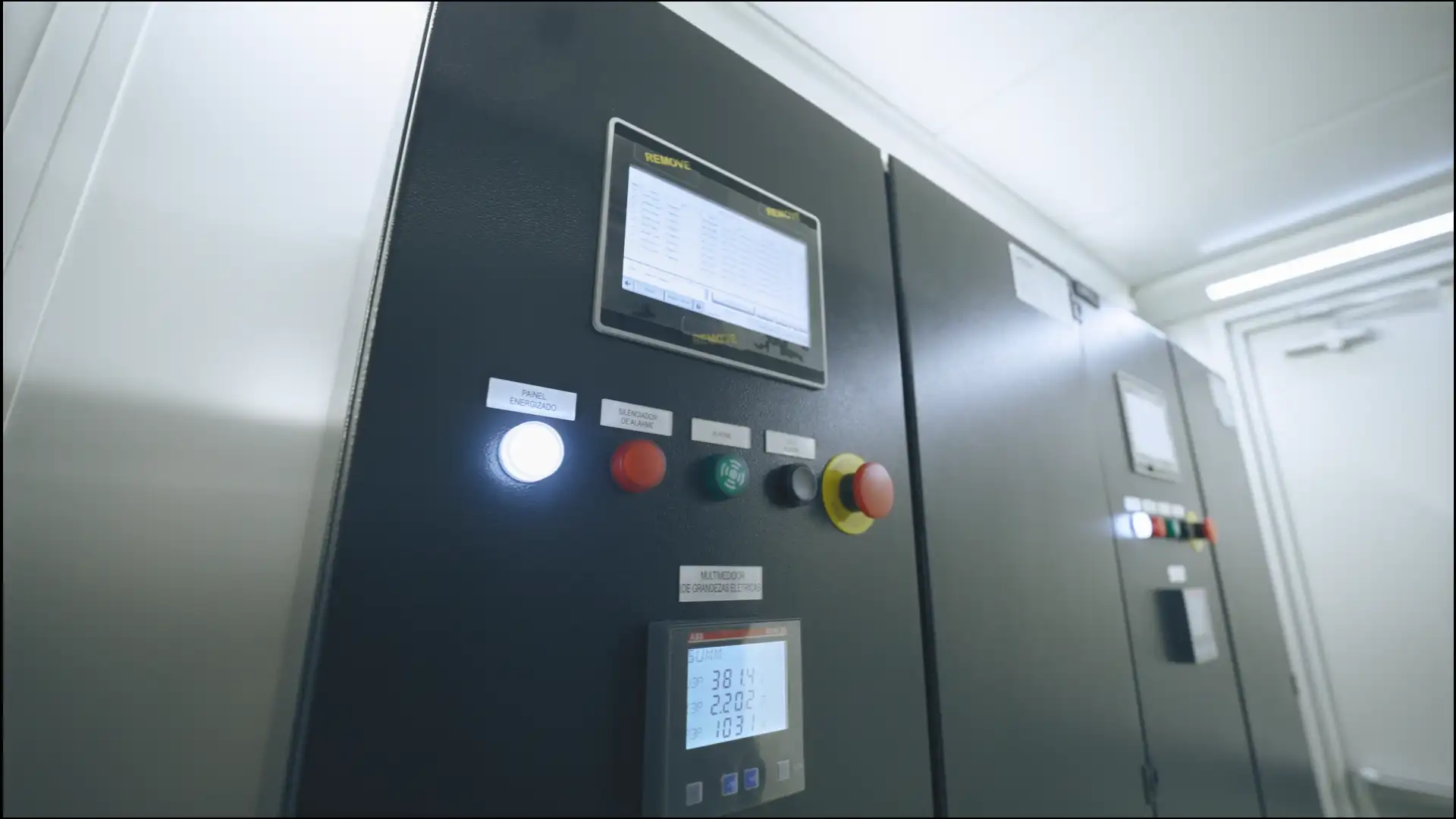
Edgefy: Data center modular SERPRO: Tela de gestão do ar-condicionado

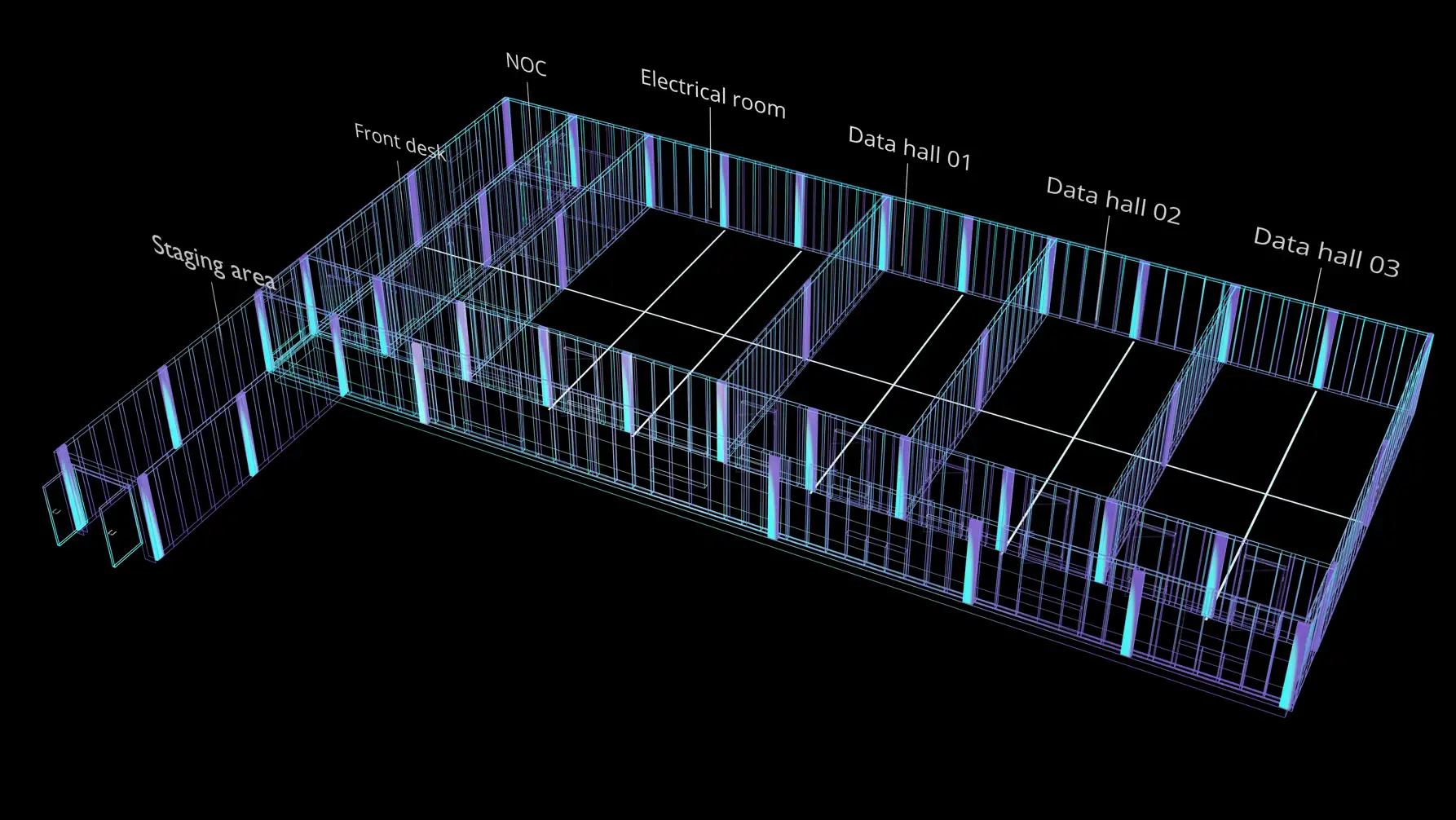
Planta baixa simplificada

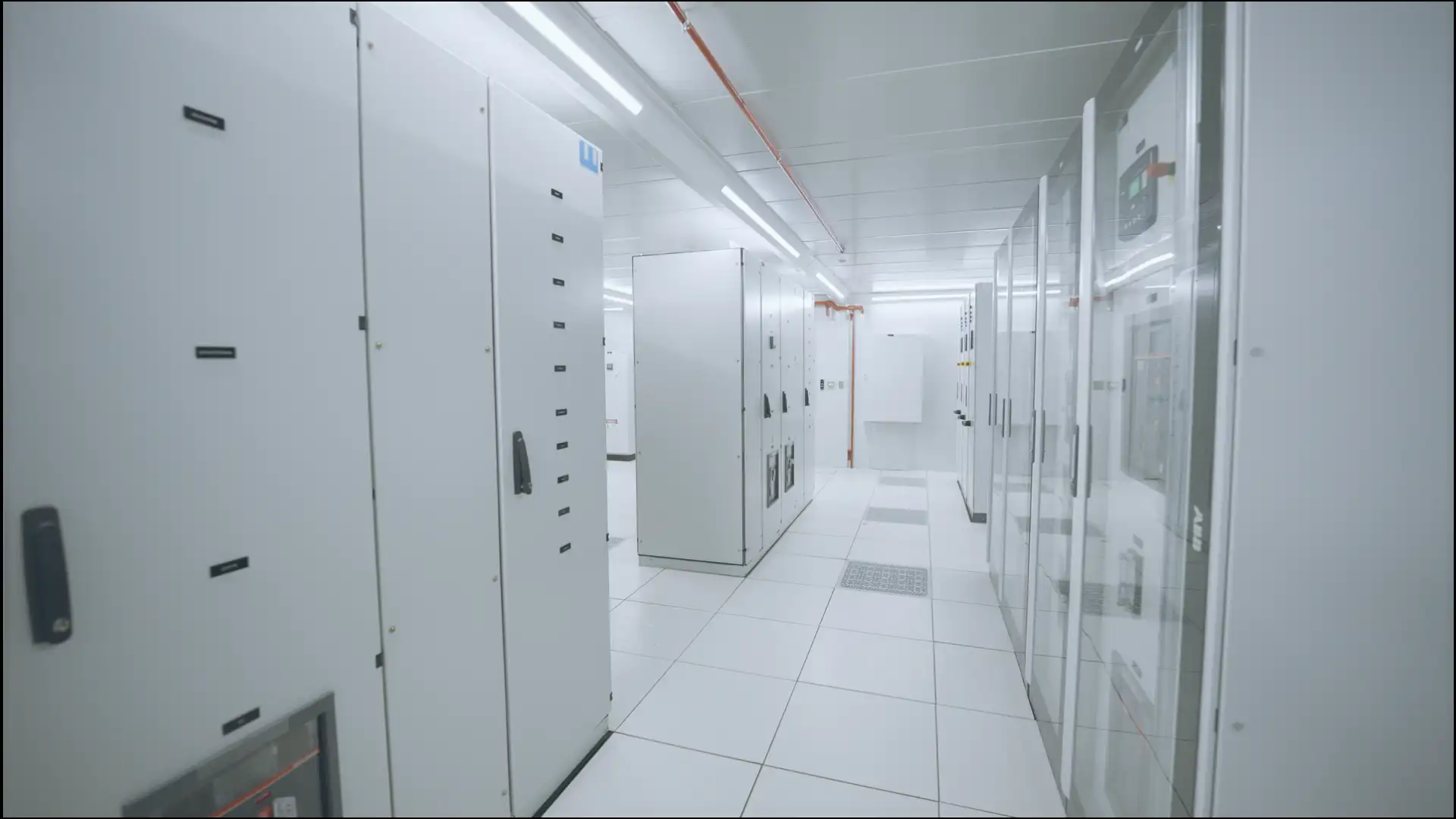
O data center modular do SERPRO é formado por múltiplos containers e oferece uma infraestrutura completa e segmentada, garantindo eficiência e segurança. Com áreas separadas para front desk, NOC (Centro de Operações de Rede), data halls, salas elétricas, e uma usina de geradores, ele permite maior controle e gestão operacional. Essa estrutura modular também proporciona escalabilidade, permitindo que novos containers sejam integrados conforme a demanda cresce, além de oferecer alta resiliência por meio da segregação de sistemas críticos e operacionais.

Gostaria de saber mais sobre o Edgefy?

Ao clicar acima, você concorda com as Privacy policies and políticas de cookies deste site.

Usamos cookies para garantir a melhor experiência em nosso site. Se você continuar navegando, assumiremos que está de acordo com a nossa privacy policy and Cookie Policy.